
How to Legally Marry in Pakistan: Court Marriage Process and Requirements
Court marriage is a practical, private way for couples in Pakistan to solemnize their union with full legal recognition. In a court marriage, spouses have their Nikah conducted by an authorized registrar (often a Nikah Khawan) under family law, and the marriage is registered with the Union Council. This process is fully recognized by Pakistani law and ensures your marriage is officially recorded.
Couples choose court marriage for its simplicity, speed, and legal protection. It is especially popular when partners face family or social pressure, or when they need proper documentation for immigration, banking, inheritance, or other legal purposes. Court marriages are conducted with mutual consent and comply with Pakistan’s legal requirements under laws like the Muslim Family Laws Ordinance (1961).
Key Legal Requirements for Court Marriage in Pakistan
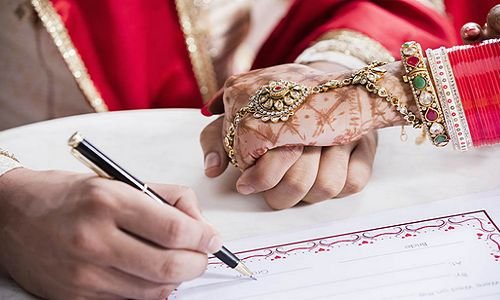
Key legal requirements: Both bride and groom must be at least 18 years old and of sound mind. Each party should present a valid identity document (CNIC or passport) and submit passport-size photos. A written affidavit of free will must be signed by each partner to confirm there is no coercion or legal impediment to the marriage. Two adult Muslim witnesses (or witnesses from the respective faith for non-Muslim couples) must also be present.
Religious Requirements for Muslim Court Marriage
In Muslim marriages, religious formalities such as Ijab Qubool (offer and acceptance), a Wali (guardian) for the bride if required, and agreement on the Mehr (dowry) must be observed, often overseen by the Nikah Khawan.
Documents You Need for Court Marriage in Pakistan
• Valid CNICs or passports of both spouses (and B-Form for underage).
• CNIC copies of the two witnesses.
• Marriage photographs (passport-size, typically 6 per person).
• Affidavits of free consent for each party.
Step-by-Step Court Marriage Procedure in Pakistan
1. Legal Consultation
Meet a family lawyer or court marriage expert to review requirements and gather documents.
2. Document Submission
Submit CNICs, photos, affidavits, and any other required papers to the court or Union Council office.
3. Court Appointment
The family court or registrar schedules a marriage date.
4. Nikah Ceremony
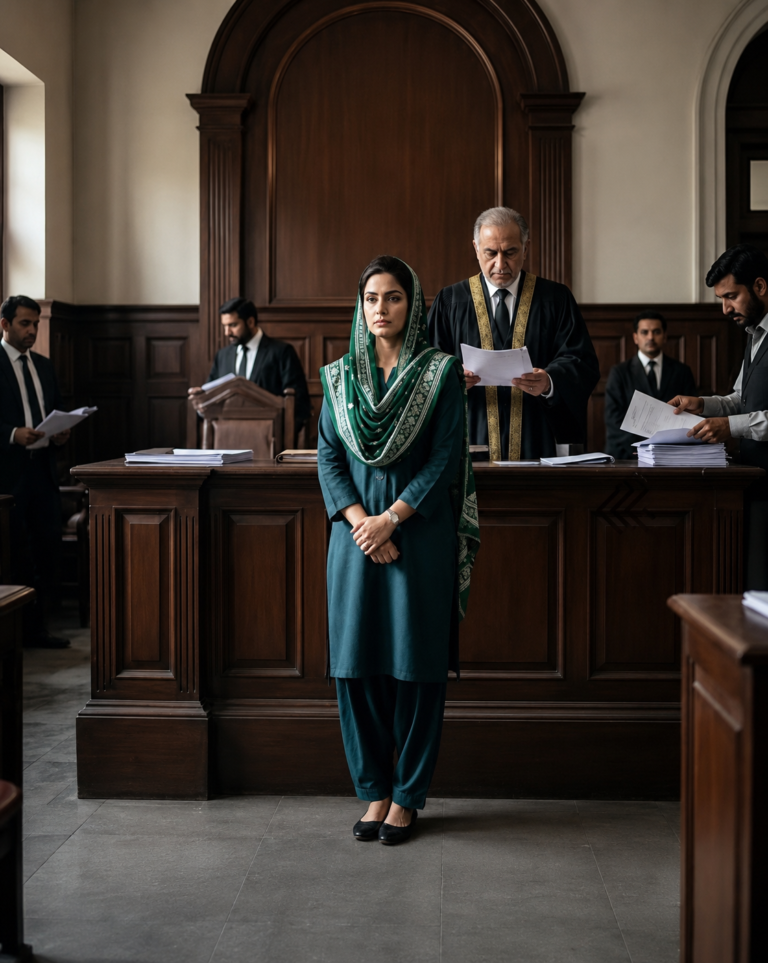
On the appointed date, the Nikah is solemnized in court or at the lawyer’s office in the presence of the couple, their two witnesses, the registrar (and optionally the Nikah Khawan). All parties sign the Urdu Nikah Nama on the same day.
5. Registration and Certificate Issuance
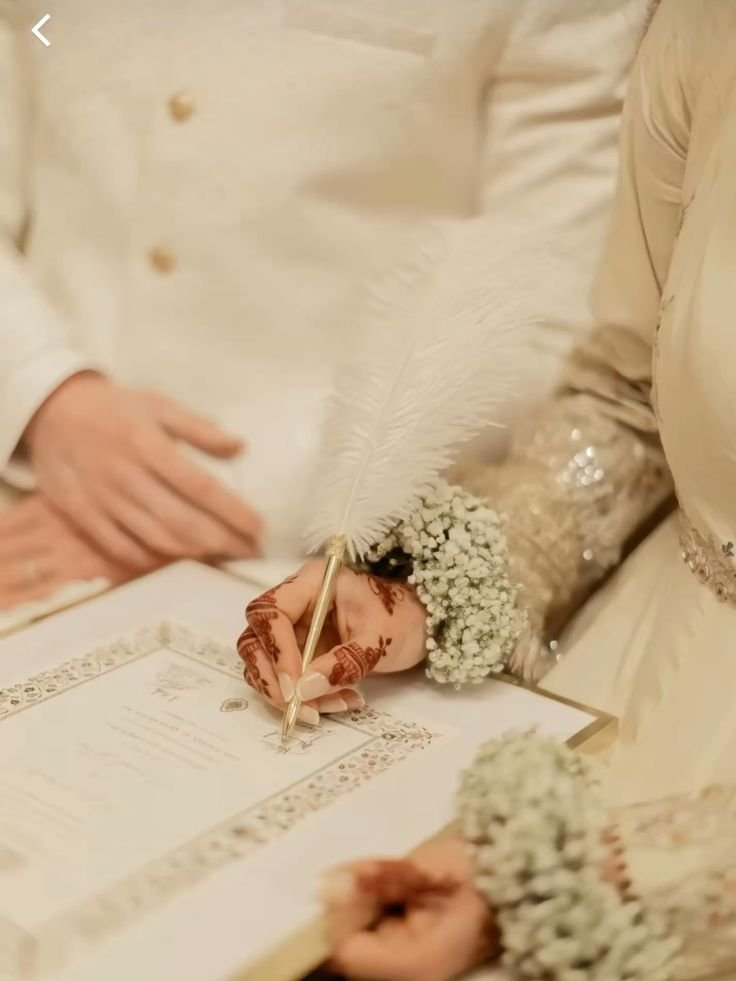
After the ceremony, the marriage details are entered into official records. The Nikah Nama is registered with the local Union Council and linked to NADRA, the national registry. This leads to the issuance of a computerized Marriage Registration Certificate within a few days.
Benefits of Court Marriage in Pakistan
Legal Recognition
The marriage is officially registered and recognized nationwide.
Privacy and Speed
Court marriages are generally quick (often completed in hours) and avoid elaborate ceremonies.
Protection of Rights
A registered marriage secures legal rights for both spouses (inheritance, property, etc.) and simplifies future processes like visa applications.
International Acceptance
A court marriage registered with NADRA is accepted by foreign governments when documented (for visas or overseas registration).
Final Thoughts
By carefully following the court marriage steps and fulfilling all legal requirements, couples ensure that their union is valid under Pakistani law and Islam. If needed, professional family law services can guide you through the process for a smooth experience.