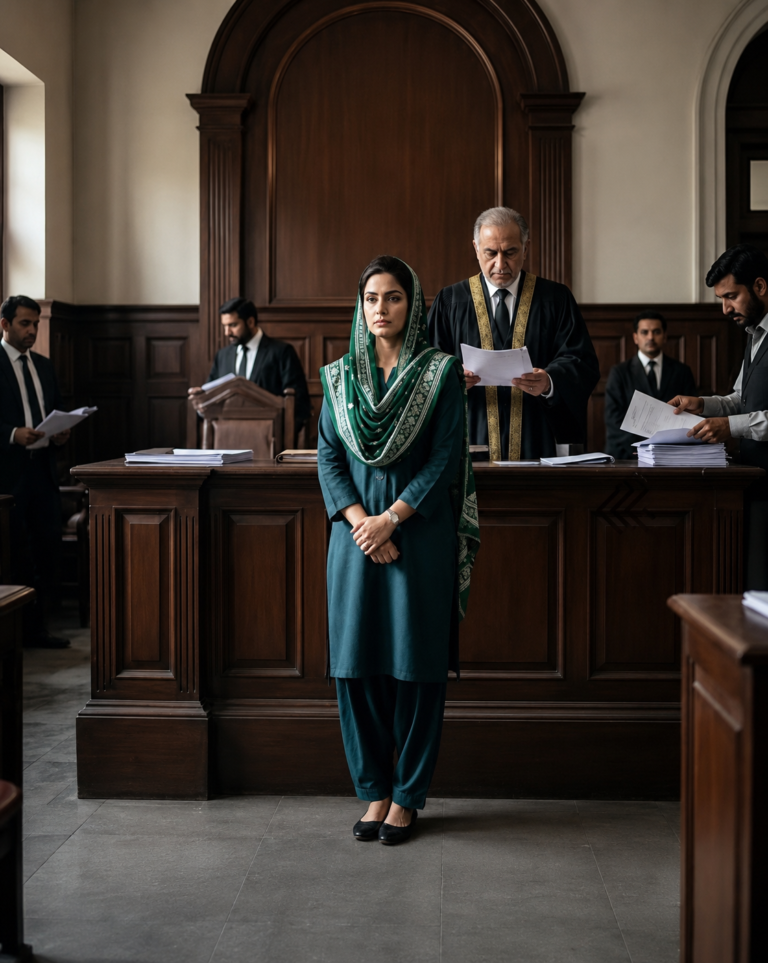

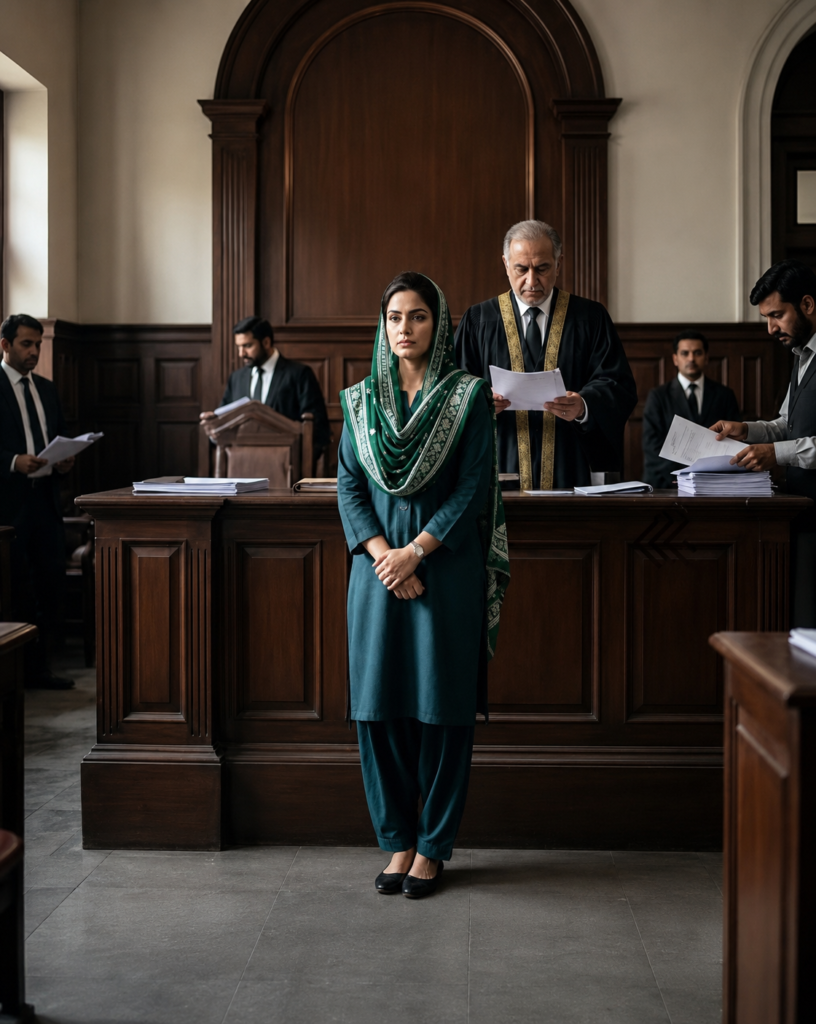
Women’s Legal Rights in Court Marriage in Pakistan
Court marriage in Pakistan gives women the same legal rights as any other valid marriage. Whether the marriage is arranged or based on personal choice, Pakistani law protects a woman’s rights after Nikah. This guide explains the most important legal rights every woman should know.
Understanding women’s legal rights in Pakistan is essential before choosing court marriage because it helps women protect their legal and constitutional interests.
The legal framework for court marriage and family rights in Pakistan is based on the Muslim Family Laws Ordinance, 1961.
Understanding women’s legal rights before a court marriage helps every woman protect her legal interests and make informed decisions.
What Is Court Marriage in Pakistan?
Court marriage is a legal marriage performed with the free consent of both the bride and groom according to Pakistani law and Islamic principles. Once the marriage is registered, the couple receives legal recognition through the Nikah Nama and marriage registration.
Do Women Have Equal Rights After Court Marriage?
Yes. A woman who marries through court marriage has the same legal status as any other married woman in Pakistan.
Her rights include:
- Free consent
- Haq Mehr (Dower)
- Financial maintenance
- Legal protection
- Inheritance
- Child custody
- Divorce rights
- Marriage registration
12 Legal Rights of Women in Court Marriage

1. Right to Free Consent
No one can legally force an adult woman into marriage. A valid marriage requires the free consent of both the bride and groom.
If you are planning a court marriage, you may also find our Court Marriage Services in Pakistan guide helpful. It explains the complete court marriage procedure, required documents, legal requirements, and registration process.
2. Right to Choose Her Life Partner
Every adult woman has the legal right to marry the person of her choice if all legal requirements are fulfilled.
3. Right to Receive Haq Mehr (Dower)
Haq Mehr is a mandatory financial right of every Muslim wife. It may include:
- Cash
- Gold
- Property
- Any agreed valuable asset
The wife can legally claim unpaid Haq Mehr.
One of the most important women’s legal rights is the right to receive Haq Mehr according to the Nikah Nama and Pakistani law.
Haq Mehr is one of the most important women’s legal rights that should be clearly mentioned in the Nikah Nama.
4. Right to Marriage Registration
A registered marriage provides legal proof and helps with:
- FRC
- Inheritance claims
- Government documentation
- Legal disputes
5. Right to Financial Maintenance
The husband is generally responsible for providing:
- Food
- Clothing
- Accommodation
- Medical expenses
- Basic living costs
If neglected, the wife may seek relief through the Family Court.
6. Right to Respect and Safety
Every wife has the right to:
- Respect
- Dignity
- Safety
- Fair treatment
Physical, mental, or emotional abuse is not acceptable.
7. Right to Legal Protection
Pakistani law protects women from:
- Domestic violence
- Harassment
- Forced marriage
- Threats
- Physical and emotional abuse
Women can seek help from the police or family courts if needed.
8. Right to Inheritance
Marriage does not affect a woman’s inheritance rights. She may inherit from:
- Parents
- Husband
- Children
- Other eligible relatives
9. Right to Divorce
If the marriage cannot continue, a woman may seek:
- Khula
- Divorce through legal procedures
- Other remedies available under family law
10. Right to Child Custody
Family courts decide child custody based on the child’s welfare. The father usually remains responsible for financial support.
11. Right to Keep Personal Property
Everything owned before marriage remains the woman’s property, including:
- Gold
- Jewelry
- Savings
- Gifts
- Property
12. Right to Use Marriage Documents
A registered marriage certificate can be used for:
- CNIC updates
- FRC
- Passport
- Visa applications
- Banking
- Immigration
Documents Required for Court Marriage
Common documents include:
- Bride’s CNIC
- Groom’s CNIC
- Passport-size photographs
- Two adult witnesses
- Proof of age
- Marriage affidavit (if required)
- Nikah documents
Common Myths About Court Marriage
Myth 1: Court Marriage Is Illegal
Fact: Court marriage is completely legal when performed according to Pakistani law.
Myth 2: Women Lose Their Rights
Fact: Women enjoy the same legal rights after court marriage as any other legally married wife.
Myth 3: Family Permission Is Always Required
Fact: An adult woman may marry with her free consent, subject to legal requirements.
Myth 4: Court Marriage Cannot Be Registered
Fact: A valid court marriage should always be legally registered.
Knowing Women’s Legal Rights in Court Marriage in Pakistan can help women protect their legal interests.
Tips Before Court Marriage
Before getting married:
- Read the Nikah Nama carefully.
- Ensure Haq Mehr is clearly mentioned.
- Keep copies of all documents.
- Register the marriage without delay.
- Understand your legal rights.
Frequently Asked Questions
Is court marriage legal in Pakistan?
Yes. It is legal when completed according to Pakistani law and Islamic principles.
Is family permission necessary?
An adult woman may marry with her own free consent, subject to applicable laws.
Is Haq Mehr compulsory?
Yes. Haq Mehr is an essential part of a valid Muslim marriage.
Can a wife claim maintenance?
Yes. A wife may seek maintenance under applicable family laws.
Does court marriage affect inheritance rights?
No. A woman keeps her inheritance rights after court marriage.
Conclusion
Women who choose court marriage in Pakistan receive the same legal rights and protections as any other married woman. Understanding these rights—including free consent, Haq Mehr, maintenance, inheritance, legal protection, and child custody—helps women make informed decisions and protect their future. Always ensure your marriage is legally completed, properly registered, and supported by valid documentation.